




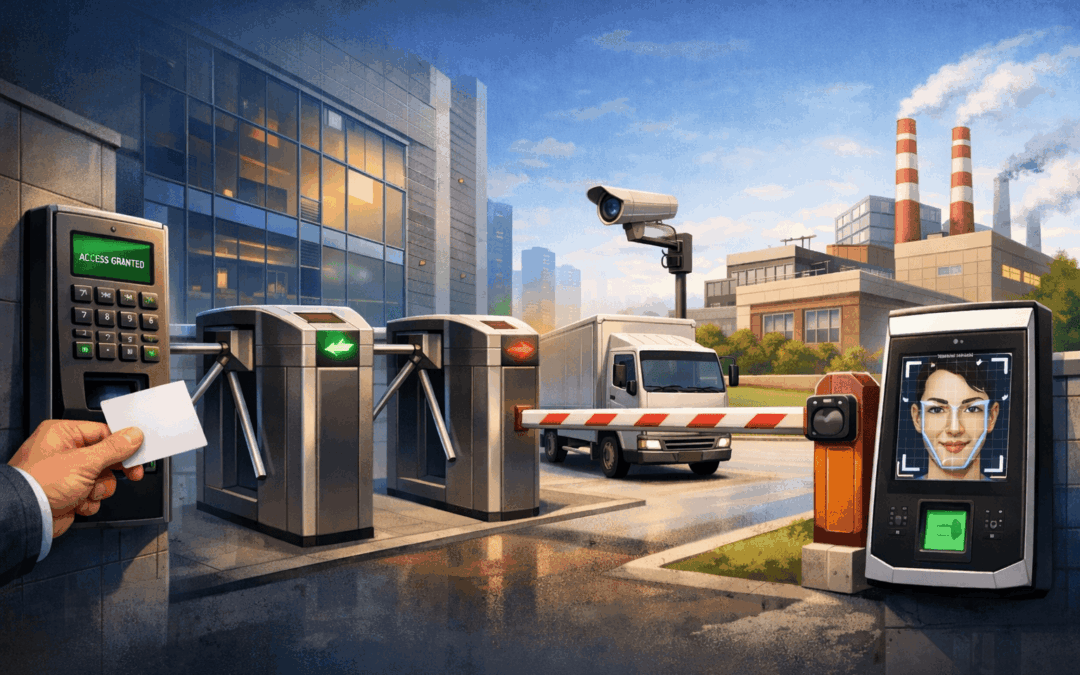
In today’s commercial and industrial environments, security is no longer limited to locks and keys. As facilities become larger, more complex, and more people-driven, the need for reliable and intelligent access control systems has become essential. Automatic access control systems play a critical role in protecting assets, managing traffic flow, and ensuring operational efficiency across offices, factories, warehouses, data centers, and commercial buildings.
Understanding Automatic Access Control Systems
Automatic access control systems regulate who can enter or exit a facility, when they can do so, and which areas they are permitted to access. These systems typically combine physical barriers—such as turnstiles, speed gates, automatic doors, or barriers—with electronic authentication methods like access cards, PIN codes, biometric readers, or mobile credentials.
Unlike traditional manual access methods, automated systems provide real-time monitoring, centralized management, and detailed access logs. This level of control is especially important for facilities that operate 24/7 or handle sensitive operations.
Key Factors to Consider When Choosing a System
Choosing the right automatic access control solution depends on several factors specific to your project:
1. Type of Facility
Commercial offices require smooth pedestrian flow and a professional appearance, while industrial facilities often prioritize durability, restricted zones, and safety compliance. A warehouse may need vehicle barriers and rugged access points, while a corporate headquarters may focus on aesthetics and user experience.
2. Level of Security Required
Not all areas require the same level of protection. Public zones, staff-only areas, and high-security rooms should be treated differently. Systems that allow zoning and access level customization offer greater flexibility and control.
3. User Volume and Traffic Flow
High-traffic environments such as malls, airports, and factories need systems that prevent bottlenecks while maintaining security. Speed gates, automatic sliding doors, and turnstiles are ideal for managing large volumes efficiently.
4. Integration with Existing Systems
Modern access control systems should integrate seamlessly with CCTV, fire alarms, building management systems (BMS), and time attendance software. Integration improves response times and simplifies facility management.
Commercial vs Industrial Requirements
Commercial projects often focus on user convenience, design, and branding. Glass speed gates, automatic sliding doors, and card-based access systems are commonly used to create a welcoming yet secure environment.
Industrial projects, on the other hand, demand robustness and reliability. Systems must withstand dust, heat, vibration, and heavy usage. Industrial-grade turnstiles, gate barriers, and biometric access solutions are often preferred for their durability and higher security levels.
Long-Term Benefits of Automatic Access Control
Investing in an automatic access control system is not just about security—it is a strategic business decision. These systems reduce reliance on manual supervision, minimize human error, and enhance accountability. Over time, they help lower operational costs by preventing unauthorized access, reducing theft, and improving workforce efficiency.
Additionally, access control systems support compliance with safety regulations and industry standards, particularly in sectors such as manufacturing, logistics, healthcare, and data centers.
Conclusion
Selecting the right automatic access control system requires careful assessment of your facility’s needs, security goals, and future growth plans. A well-designed solution enhances safety, streamlines operations, and delivers long-term value. By working with experienced professionals and choosing scalable technologies,
commercial and industrial projects can achieve a secure, efficient, and future-ready access environment.